



SCIENTISTS FIND 115-MILLION-YEAR-OLD DINOSAUR BLOOD
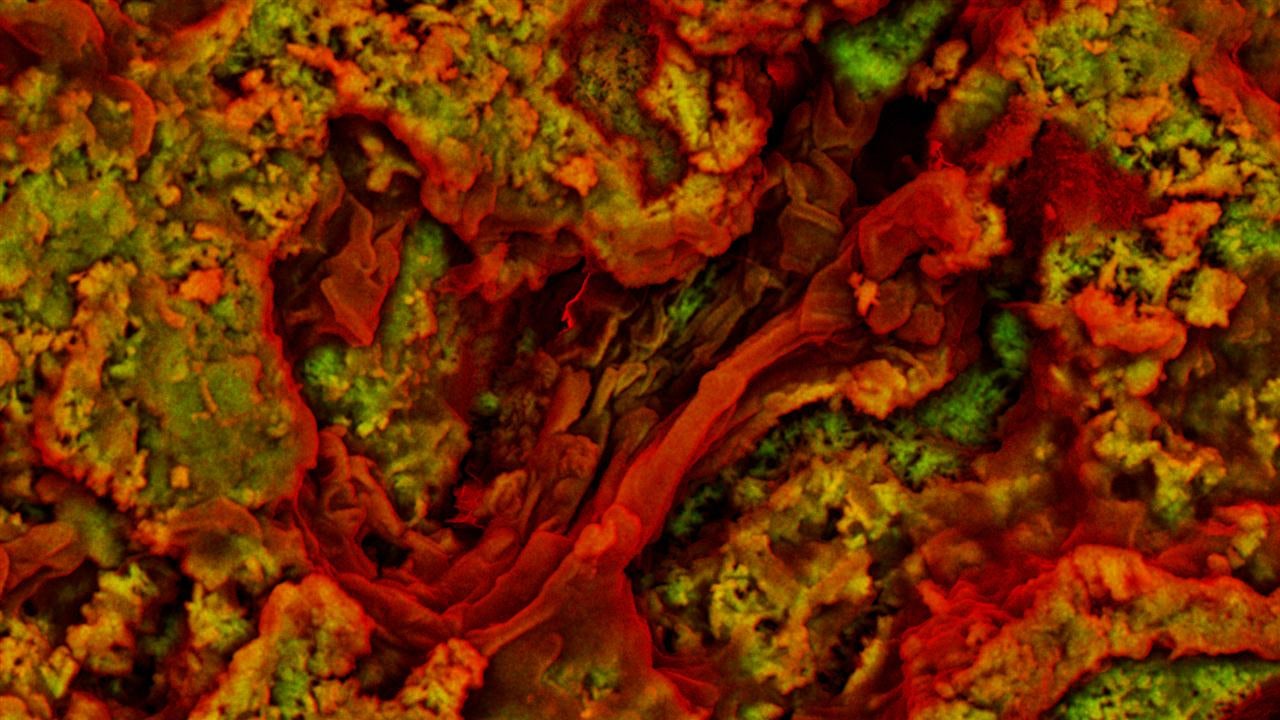
A team led by Curtin University in Australia went through the limb bone of Aratasaurus museunacionali, a theropod that died in Brazil about 115 million years ago, and reported finding mineralized red blood cells with heme still inside them. Heme is the iron-bearing piece of hemoglobin, the thing that moves oxygen around. The paper ran in PNAS this week, and lead author Kliti Grice called it a landmark discovery, which is the correct thing to say when you believe you are holding the oldest blood on record. The preservation story is great. The animal died, sank into mud with very little oxygen, and got blanketed by a mat of microbes that essentially did free taxidermy for 115 million years. Then the rest of paleontology showed up with notes. Mary Schweitzer, who found soft tissue in dinosaur bone decades ago, pointed out that bird and reptile red blood cells keep their nuclei and should bulge, while these things are concave and smaller than expected. Her read: "I just am not convinced that these are red blood cells." Another researcher floated that the round shapes could be blobs of manganese oxide. At least 14 studies have already tried to describe red blood cells in very old fossils, so this fight has a long undefeated champion, and it's doubt. Also, before anyone starts a theme park: no DNA. Grice told Reuters this is not a vial of dinosaur blood.
Why you should give a shit: If the chemistry holds up, we can start pulling real biology out of 100-million-year-old rocks, and if it doesn't, a lot of smart people just got emotional about ancient manganese.