


##The Internet Had a Week
The FAA grounded flights, Chase endured banking delays, Microsoft services crashed, and even the NSA's internal network lagged. Every group chat briefly became a cyber war briefing. U.S. officials said those outages were separate technical problems and found no evidence of a coordinated cyberattack. Still, every piece of software suddenly felt like a target.
If this was organized crime, nobody sent the calendar invite. In Japan, a ransomware attack encrypted Osaki Electric's servers and stopped production and shipments of smart meters. In New Hampshire, a cyber incident at Monadnock Community Hospital left it diverting ambulances and canceling some surgeries, imaging, and lab work. JPMorgan Chase separately reported that attackers accessed marketing data held by its vendors. No one has linked the three incidents to a single campaign.
##The Next Vulnerability Is Automated The foreign threat is real, even if this week's outages were unrelated. In testimony on November 18, the FBI said China-linked operators are still trying to get into telecom networks and that North Korea, Iran, and Russia remain active in cyber espionage and positioning themselves in critical infrastructure.
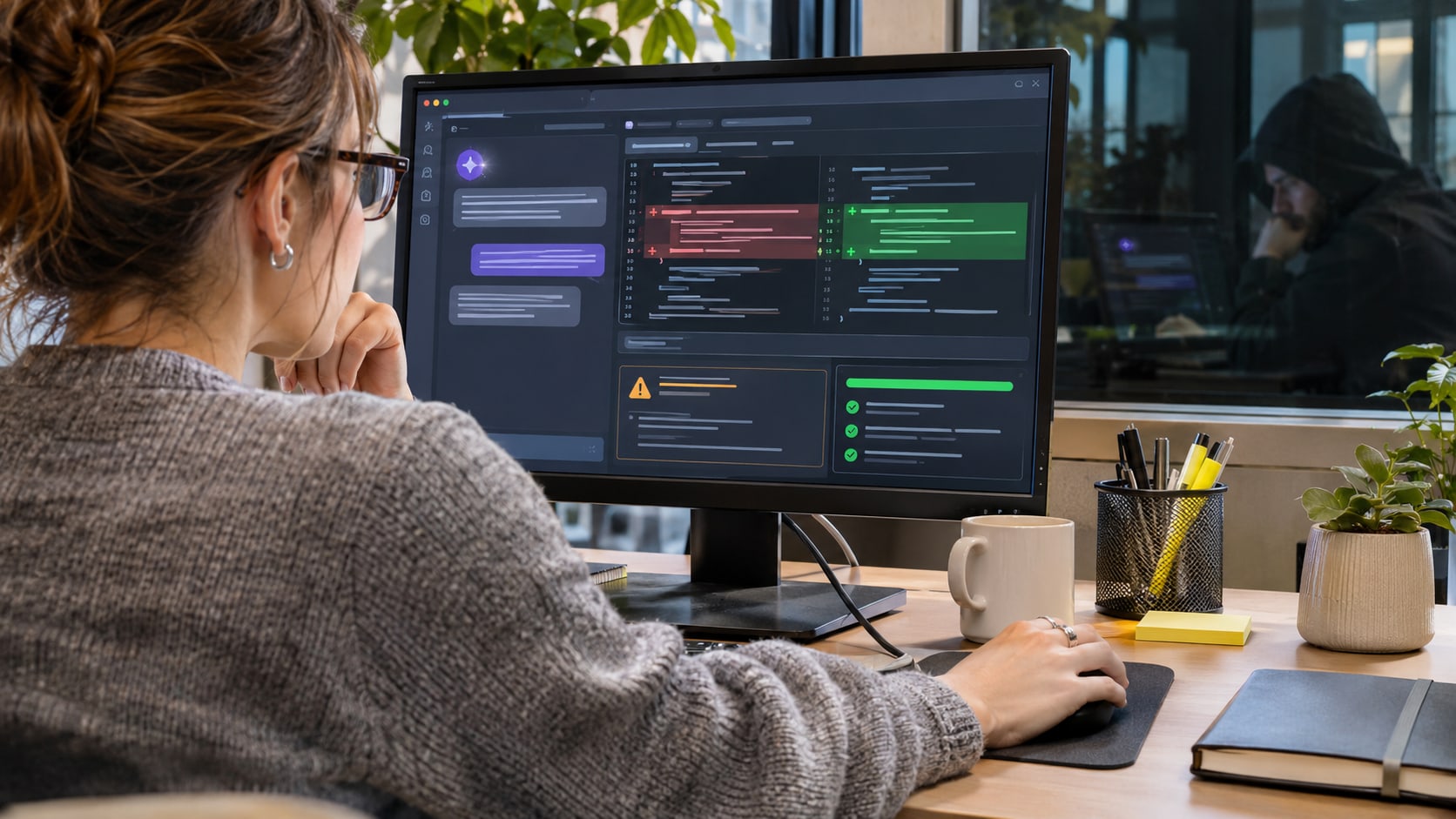
AI is reducing the time companies have to fix a vulnerability before someone exploits it. Australia's cyber agency says some vulnerabilities have been exploited within 48 hours of patches or mitigation advice becoming available. Attackers can use AI to find weaknesses and analyze newly released patches. Companies can use authorized red-team agents to test their own software, identify those weaknesses, and fix them first. It becomes a race over who finds the flaw first, with both sides drawing on increasingly capable models.
AI companies are once again in the middle of it all. Cybersecurity is becoming their domain, while cybercrime benefits from the same advances. OpenAI's Daybreak program puts advanced AI in the hands of approved cyber defenders, including teams working with NATO. Its Defense Factory uses agents to investigate findings and prepare fixes for engineers to review and test. Google is building a similar continuous defense approach, while Anthropic has announced shorter vulnerability disclosure deadlines beginning in January 2027 because bugs are being rediscovered faster.